How to Improve Memory After 60 — 9 Science-Backed Strategies That Actually Work in 2026
If you've noticed it's taking longer to find the right word, or you walked into a room and forgot why — you're not alone. Nearly 40% of Americans over 60 report noticeable memory changes. And the anxiety that follows can feel worse than the forgetfulness itself.
Here's the good news that most people over 60 never hear: memory can be meaningfully improved at any age. A landmark 2026 study — analyzing more than 10,000 brain MRI scans across 13 research centers — confirmed that the relationship between brain structure and memory becomes more dynamic after 60, not fixed. The brain's ability to adapt, grow new connections, and compensate for tissue loss remains remarkably powerful.
In this guide, we break down the 9 strategies with the strongest scientific backing for memory improvement after 60 — the same principles embraced by people who stay mentally sharp well into their 80s and beyond.
📋 In This Article
What Actually Happens to Memory After 60
Understanding why memory changes after 60 is the first step to doing something about it. The changes are real — but they're not irreversible.
After your 60th birthday, several neurological shifts accelerate:
- Hippocampal volume shrinks — the hippocampus is your brain's primary memory filing center. It loses roughly 1–2% of volume per year in people who don't take protective steps.
- Acetylcholine production declines — this neurotransmitter is critical for memory encoding and recall. Lower levels mean new information takes longer to "stick."
- Processing speed slows — your brain still works, but it takes longer to retrieve stored information. This is normal; it is not the same as memory loss.
- Inflammation increases — low-grade neuroinflammation disrupts synaptic communication, contributing to brain fog and recall difficulties.
🔬 2026 Research Spotlight
A January 2026 mega-analysis published in Nature Communications, examining data from 3,737 adults across 13 longitudinal studies, found that brain tissue shrinkage and memory decline become significantly more coupled after age 60 — but that the rate of decline varied dramatically between individuals. Those with healthier lifestyle habits showed far slower coupling, demonstrating that this process is highly modifiable.

Research published in Nature Communications (2026) analyzed 10,000+ MRI scans showing memory decline is modifiable — not fixed — after 60.
What Jane Fonda Does to Stay Sharp at 87
Jane Fonda, 87 — Still Sharp, Still Leading
In April 2026, Jane Fonda headlined the Livelong Women's Health Summit in San Francisco — one of the most respected women's longevity events in the country. Her message resonated with 2,500 attendees: "Aging is not a decline — it's a deeper chapter." At 87, Fonda continues to work, advocate, write, and maintain the mental sharpness that has defined her career across eight decades.
Jane Fonda's longevity is not accidental. In interviews and public appearances over the last several years, she has discussed the habits that she credits for maintaining her cognitive vitality — several of which are directly supported by neuroscience research on memory after 60:
- Consistent physical movement — Fonda has championed aerobic exercise since the 1980s, and modern science confirms why: exercise raises BDNF (Brain-Derived Neurotrophic Factor), a protein that literally promotes the growth of new brain cells and strengthens synaptic connections.
- Purposeful social engagement — Strong social ties are one of the most robust predictors of preserved cognitive function in older adults. Fonda's ongoing activism and public speaking keep her cognitively and socially engaged.
- Continuous learning — Picking up new skills — languages, instruments, creative crafts — activates neuroplasticity and builds what researchers call "cognitive reserve," a buffer against brain aging.
- Stress management — Fonda has been open about managing stress through therapy, meditation, and meaningful work. Chronic stress raises cortisol, which actively damages hippocampal neurons over time.
- Quality sleep — Fonda has spoken about protecting her sleep as a non-negotiable priority. During sleep, the brain clears amyloid plaques — the toxic protein associated with Alzheimer's — through the glymphatic system.
💡 The Takeaway
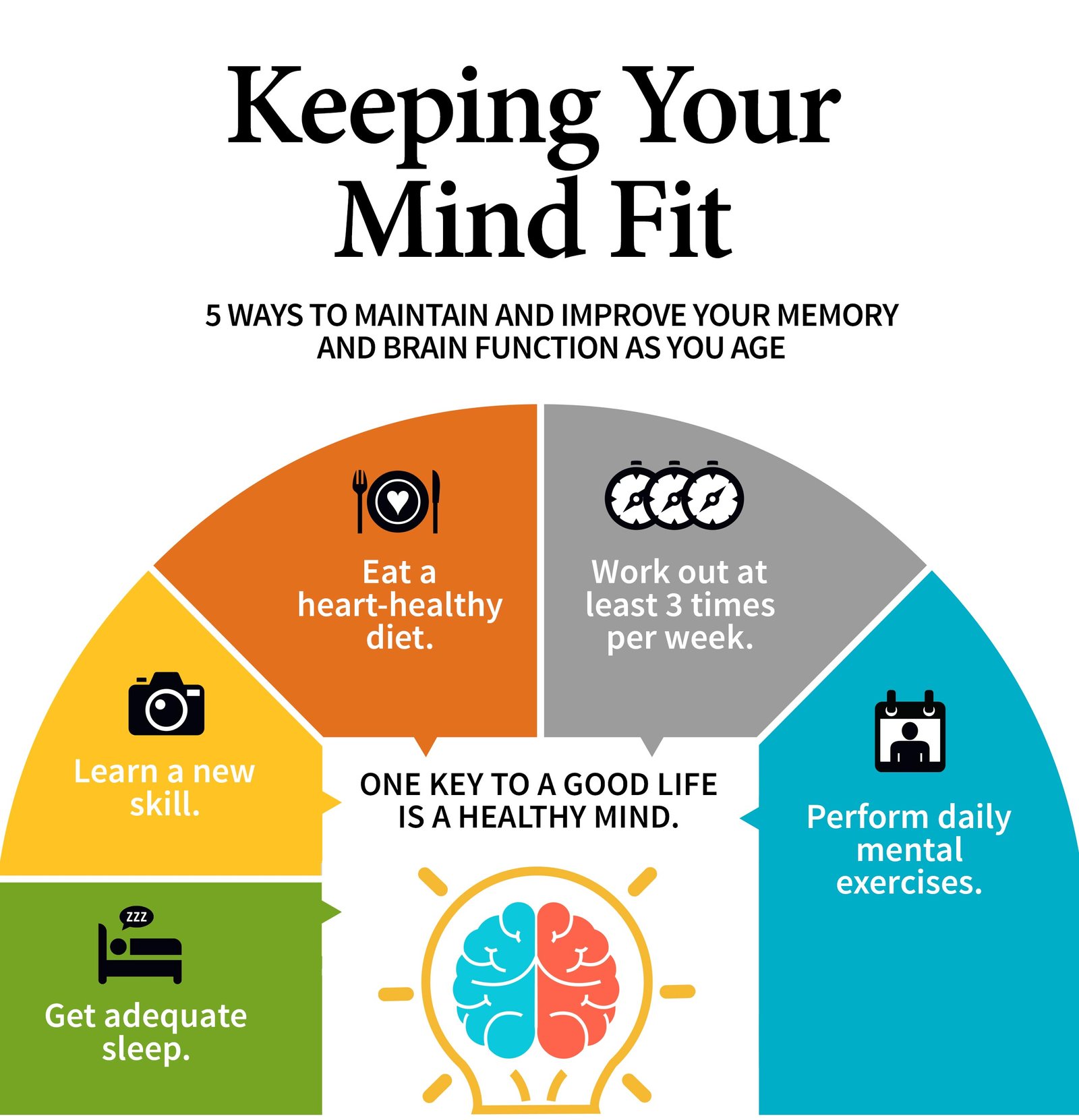
You don't need to be a Hollywood icon to adopt these habits. Each of the 9 strategies below is practical, accessible, and backed by the same science that explains why people like Jane Fonda remain cognitively vibrant decades past the age when many begin to decline.
9 Science-Backed Strategies to Improve Memory After 60
Walk 30 Minutes a Day — Your Hippocampus Will Grow
This is the single most replicated finding in cognitive aging research. A University of Pittsburgh study found that adults over 60 who walked briskly for 40 minutes three times per week grew their hippocampus by 2% over one year — reversing one to two years of age-related volume loss. The mechanism: aerobic exercise raises BDNF (Brain-Derived Neurotrophic Factor), which triggers neurogenesis — the creation of new brain cells — in the hippocampus. You don't need a gym. A daily 30-minute walk delivers measurable cognitive protection.
Protect 7–8 Hours of Sleep Like It's Medicine
Sleep is when your brain files memories and removes toxic waste. During deep sleep, the glymphatic system clears amyloid-beta — the protein that accumulates in Alzheimer's disease. A 2025 study found that adults who consistently got fewer than 6 hours of sleep had a 30% higher rate of memory decline over five years. The fix is often simpler than people expect: consistent wake time, no screens 90 minutes before bed, a cool room (65–67°F), and avoiding alcohol within 3 hours of sleep.
Learn Something New Every Week
Neuroplasticity — the brain's ability to form new connections — does not disappear after 60. But it requires challenge to activate. Learning a language, playing an instrument, taking up a new card game or craft — these activities build what researchers call cognitive reserve: a buffer of neural connections that protects against future decline. A 2024 study in Neurology found that adults who engaged in cognitive challenges at least three times per week had a 46% lower rate of dementia diagnosis over a 10-year follow-up.
Eat for Your Brain, Not Just Your Waistline
The MIND Diet (Mediterranean-DASH Intervention for Neurodegenerative Delay) has the strongest nutritional evidence for memory preservation in older adults. Prioritize: blueberries and strawberries (anthocyanins reduce neuroinflammation), leafy greens like spinach and kale (vitamin K and folate support myelin), fatty fish like salmon (DHA builds brain cell membranes), walnuts (linked to better working memory scores in multiple studies), and dark chocolate above 70% cacao (flavonoids improve cerebral blood flow). Avoid: highly processed foods, trans fats, and excessive sugar — all shown to accelerate hippocampal volume loss.
Manage Stress Before It Manages Your Brain
Cortisol — the primary stress hormone — is acutely toxic to hippocampal neurons with chronic exposure. Animal studies show prolonged cortisol exposure kills neurons in the memory center. For humans, sustained high-stress periods correlate with measurably smaller hippocampal volume. Evidence-based stress reduction techniques that protect memory include: mindfulness meditation (20 minutes daily reduces cortisol by 14–26% in controlled trials), journaling, time in nature, and social connection. The goal is not eliminating stress but preventing it from becoming chronic.
Stay Socially Connected — Isolation Shrinks the Brain
Loneliness is one of the strongest predictors of accelerated cognitive decline in adults over 60. A Harvard-led study following 12,000 adults over 12 years found that those with strong social ties had 70% lower rates of cognitive decline compared to isolated peers. Social interaction exercises multiple brain regions simultaneously — language processing, emotional regulation, memory recall, and executive function. Join a club, volunteer, attend a faith community, schedule weekly calls with family. This is brain medicine.
Use Memory Techniques That Actually Work
The science of mnemonics shows that deliberate encoding strategies dramatically improve recall. Most effective for adults over 60: Spaced repetition (reviewing information at increasing intervals), The Method of Loci (associating information with physical locations you know well), Chunking (grouping information into meaningful units — phone numbers are a perfect example), and Association (linking new information to something you already know). These techniques don't just help you remember more — they actually strengthen the neural pathways involved in memory encoding.
Address Hearing Loss — It's Draining Your Brain
This one surprises most people: untreated hearing loss is one of the largest modifiable risk factors for dementia. When you can't hear clearly, your brain expends enormous cognitive resources just to process speech — leaving fewer resources for memory encoding. A landmark trial found that adults at high risk for cognitive decline who used hearing aids cut their rate of cognitive decline by 48% over three years. An audiologist appointment could be one of the best investments you make for your memory.
Support Your Brain with Clinically Studied Natural Compounds
Several plant-based compounds have produced statistically significant improvements in memory recall, processing speed, and cognitive function in peer-reviewed clinical trials on adults over 60. These are not herbal folklore — they are rigorously studied bioactive compounds. The key is choosing a formulation that contains these ingredients at clinically relevant doses, from a manufacturer with verified quality standards. See the ingredient breakdown below for what the science actually shows.
The Clinically Studied Ingredients for Memory After 60
Not all supplements are equal. These are the ingredients with the strongest peer-reviewed evidence specifically for adults over 60:
Memory Recall & Learning
Multiple RCTs show 18–24% improvement in memory recall after 8–12 weeks at 300mg/day. Works by increasing dendrite branching in hippocampal neurons.
Nerve Growth & Regeneration
Stimulates NGF (Nerve Growth Factor), supporting formation of new neural pathways. Japanese trial showed significant cognitive improvement over 16 weeks in adults 50–80.
Cell Membrane Integrity
Maintains the fluidity of neuron cell membranes, directly impacting neurotransmitter release. FDA-qualified health claim for reducing risk of cognitive dysfunction.
Cerebral Blood Flow
Dilates blood vessels supplying the brain, increasing oxygen and glucose delivery to neurons. Meta-analysis of 21 studies: significant improvement in memory and executive function.
Mental Fatigue & Stress
Adaptogen that reduces cortisol and mental fatigue. Clinical trials show faster information processing and improved working memory under stress conditions.
Calm Focus
Promotes alpha brain waves — the mental state associated with relaxed focus. Combined with task performance, it reduces distraction without sedation.
✅ About Memopezil™
Memopezil contains all six of the above clinically studied ingredients at research-backed doses, formulated specifically for adults 60+. It is manufactured in a U.S. FDA-registered, GMP-certified facility. Every order includes a 60-day, 100% money-back guarantee — no questions asked. Learn more at the official Memopezil website →
Normal Memory Aging vs. Concerning Decline: Know the Difference
One of the most common sources of anxiety for adults over 60 is not knowing whether what they're experiencing is normal aging or something that deserves medical attention. This table provides a clear comparison:
| Situation | Normal Aging ✓ | May Warrant Attention ⚠️ |
|---|---|---|
| Forgetting names | Occasionally forgetting a name, but remembering it later | Frequently forgetting names of close family or friends |
| Misplacing items | Putting keys in an unusual place, then retracing steps | Placing items in bizarre locations (iron in freezer) and not remembering |
| Word retrieval | "Tip of the tongue" moments that resolve in minutes | Frequently substituting words or losing ability to follow conversation |
| Getting lost | Confusion in a new, unfamiliar place | Getting lost in a familiar neighborhood or home |
| Daily tasks | Occasionally needing to check a recipe you know well | Difficulty completing tasks that were once routine (bills, cooking) |
| Recent events | Forgetting minor details of conversations from last week | No memory of significant events from recent days or weeks |
| Mood changes | Occasional frustration with memory lapses | Persistent personality changes, withdrawal, or paranoia |
Source: Adapted from Alzheimer's Association 10 Warning Signs and National Institute on Aging guidelines.
⚠️ When to See a Doctor
If you identify with multiple items in the "May Warrant Attention" column — especially if the changes are new, progressive, or impacting your safety and daily independence — speak with your primary care physician. A simple cognitive assessment can clarify what you're experiencing and open the door to early intervention, which is far more effective than waiting.
How These 9 Strategies Work Together
The reason people like Jane Fonda maintain such remarkable cognitive vitality at 87 is not one magic habit — it's the compounding effect of multiple protective factors working simultaneously. Aerobic exercise raises BDNF. Quality sleep clears amyloid. Social engagement exercises multiple brain systems. Stress reduction prevents cortisol damage. And targeted supplementation with clinically studied compounds fills the nutritional gaps that diet alone often cannot close after 60.
Think of it as a brain protection stack — each layer reinforces the others. Someone who walks daily, sleeps well, stays socially connected, and supports their brain with the right compounds is giving themselves a dramatically different trajectory than someone who does none of these things.
The encouraging news: it is never too late to start. Research consistently shows that adults who begin these interventions in their 60s, 70s, or even 80s show measurable cognitive improvements within weeks to months. The brain's capacity for positive change does not expire.
What to Look For in a Memory Supplement After 60
| Feature | What to Look For | What to Avoid |
|---|---|---|
| Key ingredients | Bacopa Monnieri, Lion's Mane, Phosphatidylserine, Ginkgo Biloba at clinical doses | Proprietary blends that hide individual doses; fillers listed as active ingredients |
| Manufacturing | U.S. FDA-registered, GMP-certified facility with third-party testing | No manufacturing information, foreign unregulated facilities |
| Target audience | Formulated specifically for adults 60+ (different needs than younger adults) | Generic "nootropics" designed for students or athletes |
| Guarantee | 60-day or longer money-back guarantee — allows time for ingredients to work | 30 days or less (not enough time for Bacopa Monnieri to show full effect) |
| Stimulants | Stimulant-free or very low caffeine — older adults are more sensitive to stimulants | High caffeine, synephrine, or amphetamine-like compounds |
Ready to Support Your Memory?
Memopezil™ is formulated with all six clinically studied ingredients above, specifically designed for adults 60+. Manufactured in the U.S. with full GMP certification.
Get Memopezil — Official Site Only →✓ 60-Day Money-Back Guarantee · ✓ Free U.S. Shipping on Multi-Bottle Orders · ✓ No Subscription Required
Frequently Asked Questions
Can you actually improve memory after 60?
Yes. Research consistently shows that targeted lifestyle changes — aerobic exercise, quality sleep, mental stimulation, stress management, and specific plant-based compounds — can meaningfully improve memory recall and cognitive function in adults over 60. The brain retains neuroplasticity well into advanced age.
What is the fastest way to improve memory after 60?
The fastest improvements typically come from sleep optimization (7–8 hours), daily aerobic exercise (even 30 minutes of walking raises BDNF within days), and reducing chronic stress. Supplement-based support with clinically studied ingredients like Bacopa Monnieri and Phosphatidylserine typically shows measurable recall improvements within 8–12 weeks of consistent daily use.
Why does memory get worse after 60?
After 60, the hippocampus shrinks slightly each year (without protective intervention), acetylcholine production declines, processing speed slows, and low-grade neuroinflammation increases. A 2026 mega-analysis of 10,000 brain scans confirmed that brain structure and memory become more tightly linked after 60 — but also that this process varies enormously between individuals based on lifestyle factors.
What foods help improve memory after 60?
Foods with the strongest evidence for memory support in older adults include: blueberries and berries (anthocyanins), fatty fish like salmon (DHA omega-3), walnuts, leafy greens like spinach and kale (vitamin K, folate), eggs (choline), and dark chocolate above 70% cacao. The MIND Diet — which emphasizes these foods — is the most evidence-based dietary pattern for cognitive protection.
Is Memopezil effective for memory improvement after 60?
Memopezil is specifically formulated for adults 60+ with six clinically studied active ingredients: Bacopa Monnieri (shown to improve memory recall by 18–24% in peer-reviewed trials), Phosphatidylserine, Lion's Mane Mushroom, Ginkgo Biloba, L-Theanine, and Rhodiola Rosea. It is manufactured in a U.S. FDA-registered, GMP-certified facility and includes a 60-day money-back guarantee. Available exclusively through the official Memopezil website.
How long does it take to see results from memory supplements?
Key ingredients work on different timelines. L-Theanine can produce noticeable calm focus within hours. Rhodiola Rosea typically reduces mental fatigue within 2–4 weeks. Bacopa Monnieri — the most studied ingredient for memory — builds cumulatively, with peak effects typically seen at 8–12 weeks of consistent daily use. This is why the 60-day money-back guarantee is important: it gives the ingredients time to demonstrate their full effect.
Sources & References
- Vidal-Piñeiro D, et al. "Vulnerability to memory decline in aging revealed by a mega-analysis of structural brain change." Nature Communications, November 2025.
- Hebrew SeniorLife Hinda and Arthur Marcus Institute for Aging Research. "Massive brain study reveals why memory loss can suddenly speed up with age." ScienceDaily, January 2026.
- Livingston G, et al. "Dementia prevention, intervention, and care: 2020 report of the Lancet Commission." The Lancet, 2020.
- Erickson KI, et al. "Exercise training increases size of hippocampus and improves memory." PNAS, 2011.
- Roodenrys S, et al. "Chronic effects of Brahmi (Bacopa monnieri) on human memory." Neuropsychopharmacology, 2002.
- Mori K, et al. "Improving effects of the mushroom Yamabushitake (Hericium erinaceus) on mild cognitive impairment." Phytotherapy Research, 2009.
- Crook TH, et al. "Effects of phosphatidylserine in age-associated memory impairment." Neurology, 1991.
- Alzheimer's Association. "10 Early Signs and Symptoms of Alzheimer's." 2025.
- National Institute on Aging. "Memory, Forgetfulness, and Aging: What's Normal and What's Not." 2025.
- Livelong Media. "Jane Fonda to Headline the Livelong Women's Health Summit." PRNewswire, November 2025.